
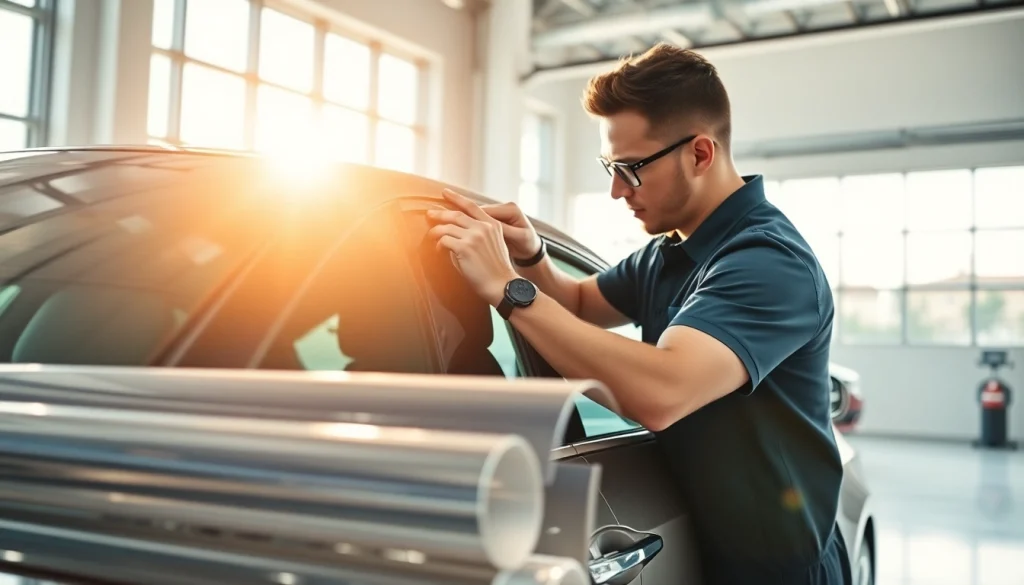
Understanding Window Tinting
When it comes to enhancing the aesthetic appeal and functionality of your vehicle or home, window tinting is a popular choice among homeowners and car owners alike. Many seek reliable options for window tint near me to ensure quality service and material. Window tinting involves applying a thin film to the glass surfaces of your car or building, providing various benefits such as increased privacy, enhanced comfort, and UV protection. In this comprehensive guide, we’ll explore the various aspects of window tinting, including types, benefits, maintenance, and answers to frequently asked questions.
What is Window Tint Near Me?
“Window tint near me” refers to the availability and accessibility of window tinting services within your locality. These services can vary in quality, price, and type offered depending on the provider. Finding reputable local businesses ensures not only that you receive quality materials but also expert installation tailored to your specific needs. Understanding what’s available in your area is vital for making an informed decision about your window tinting project.
Types of Window Tint Options
Window tinting films come in a variety of types, each designed for specific purposes and preferences. Here are the main categories:
- Dyed Window Film: This is a popular and cost-effective option. Dyed films primarily serve aesthetic purposes, providing a sleek look while reducing glare. However, they tend to fade over time and may not offer significant heat rejection.
- Metalized Window Film: This type contains tiny metal particles, enhancing strength and durability. It effectively reflects heat and UV rays but might interfere with electronic signals.
- Ceramic Window Film: Known for its supreme heat rejection and clarity, ceramic films do not contain metal. They are more expensive but offer superior benefits, including scratch resistance and UV protection without signal interference.
- Carbon Window Film: This film provides excellent UV protection, is more durable than dyed films, and gives a sleek, matte finish. Carbon films are typically a mid-range option in terms of price.
- Hybrid Window Film: Combining the benefits of metalized and dyed films, hybrids offer effective heat rejection while minimizing glare and fading.
Common Uses of Window Tinting
Window tinting serves various purposes, ranging from enhancing visual appeal to providing practical advantages. Here are some common uses:
- Automotive Tinting: Car owners commonly seek window tinting to reduce heat inside the vehicle, enhance privacy for passengers, and protect interiors from UV damage.
- Residential Tinting: Homeowners use window films to improve energy efficiency, reduce glare from sunlight, and enhance safety by making glass more shatter-resistant.
- Commercial Tinting: Businesses opt for window tinting to enhance privacy, protect sensitive equipment from sunlight, and create a more comfortable working environment.
Benefits of Window Tinting
Improved Comfort and UV Protection
Window tinting significantly enhances comfort by regulating temperature. Tinted windows block a substantial amount of solar heat, ensuring a cooler interior during hot seasons. Moreover, they provide excellent UV protection, filtering out up to 99% of harmful rays. This protection is particularly important for individuals with sensitive skin or those who spend long hours in the vehicle or near windows.
Energy Efficiency and Cost Savings
Investing in window tinting can lead to noteworthy energy savings. Tinted windows reduce heat buildup in your vehicle or home, which in turn lowers reliance on air conditioning systems. This efficiency not only cuts energy bills but can also prolong the lifespan of HVAC units. With rising energy costs, window tinting represents a smart investment in long-term savings.
Enhanced Privacy and Security
Privacy is another significant benefit of window tinting. Tinted films obscure visibility from outside, allowing you to enjoy your home or vehicle without feeling exposed. This can deter potential theft as well, as items inside become less visible. Additionally, high-quality window films can improve safety by holding shattered glass together in the event of an accident, thus minimizing injury risks.
Choosing the Best Window Tint Near Me
Factors to Consider When Selecting Tint
Choosing the right window tint involves several considerations:
- Type of Film: Assess your needs—whether for heat reduction, glare control, or aesthetic appeal—to choose an appropriate film type.
- Local Regulations: Familiarize yourself with your state’s laws regarding tint darkness and reflectivity to avoid fines.
- Warranty: Opt for window films that come with a warranty to ensure quality and longevity.
- Installation Techniques: Ensure that the installation service offers professional expertise and quality materials.
How to DIY vs. Professional Installation
While DIY window tinting kits are available, professional installation is recommended for optimal results. Professionals have the necessary tools, experience, and knowledge to avoid common pitfalls like bubbles, misalignment, and imperfections. A mistake during DIY application can affect durability and effectiveness, resulting in additional costs for repairs or reapplication.
Evaluating Local Tint Services
When searching for “window tint near me,” consider evaluating local tint services based on:
- Customer Reviews: Check online testimonials to gauge past customer experiences.
- Service Offerings: Look for businesses that provide various tint options and professional advice tailored to your needs.
- Portfolio: Request to see examples of previous work to assess the quality of installation and materials.
Maintaining Your Window Tint
Basic Care for Your Window Tint
Proper maintenance of window tint is crucial for longevity and effectiveness. Here are some basic care tips:
- Wait at least 30 days before cleaning tinted windows to allow the adhesive to cure.
- Use a mild soap solution and a soft cloth or sponge to clean the tinted surface.
- Avoid ammonia-based cleaners, as they can damage the tint film.
Common Issues and Solutions
Like any product, window tinting can face issues over time. Some common problems include bubbling, fading, and peeling. If you observe bubbles, it might be due to improper installation. Minor bubbles may disappear over time, but persistent ones should be addressed by a professional. Fading can occur due to poor quality film; premium materials tend to retain their appearance better. Peeling usually signals a poor installation process or aging film, necessitating replacement or reapplication.
When to Replace Window Tint
Replacement of window tint is typically recommended every 5-10 years depending on the type and maintenance. Signs it is time for replacement include noticeable fading, peeling, or significant bubbling covering large areas. Regular inspection will help determine if your window tint is still serving its purpose effectively.
Frequently Asked Questions about Window Tint Near Me
What are the legal limits for window tinting?
Legal limits vary by state; check local laws for specific regulations regarding tint darkness.
How long does window tint last?
Quality window tint can last anywhere from 5 to 10 years, depending on the material and care.
Can I remove window tint myself?
Yes, but be cautious as improper removal can damage windows; professional help is recommended.
What is the cost of window tinting?
Costs vary widely based on vehicle type and tint quality, typically ranging from $100 to $500.
How does window tinting affect visibility?
Quality window tints improve visibility without compromising safety; opt for UV-protective options.

